Jinhua Hefa Science and Technology Co., Ltd.
Jinhua Hefa Science and Technology Co., Ltd.
Pressure Holding Valve Manufacturer Checklist for RFQ Preparation
Created on 03.16
Finding the right partner for your fluid control needs can feel like a daunting task. When we start the Request for Quotation process, clarity is our best friend. We want to ensure every technical detail is covered from the very beginning.
Choosing a reliable pressure holding valve manufacturer requires a solid plan. A well-organized checklist helps us avoid common mistakes and saves precious time. It ensures that our specific project goals align perfectly with what the vendor can actually deliver.
pressure holding valve manufacturer
Our guide simplifies this complex journey by highlighting the most important factors. We believe that a strong partnership starts with transparency and precise data. Let us walk through the essential steps to make your next RFQ a complete success.
Key Takeaways
- Identify core performance specifications for your system.
- Evaluate quality certifications and industry standards.
- Request detailed material compatibility reports from the vendor.
- Review projected lead times and delivery schedules.
- Assess the supplier's technical support and engineering depth.
- Confirm warranty terms and post-sale service options.
1. Defining Your Valve Application and Performance Requirements
To find the right pressure holding valve, you need to know what you need. This means looking at how you will use the valve and where it will be used.
Identifying Your Specific Application Needs
It's important to understand what you need from the valve. This includes knowing its purpose, the industry it's for, and any special needs it must meet. For example, valves for the oil and gas industry must handle harsh conditions and corrosive materials.
Key considerations include:
- The type of system the valve will be used in (e.g., hydraulic, pneumatic)
- The valve's function within the system (e.g., control, isolation)
- Any regulatory or compliance issues relevant to the industry
Operating Environment Parameters
The environment where the valve will be used affects its performance and life. You need to think about temperature and pressure extremes, as well as the media it will handle.
Temperature and Pressure Extremes
Valves must work well in different temperatures and pressures. High temperatures can change the valve's material and sealing, while high pressures can affect its structure.
For example: In hot applications, valves made from materials like stainless steel or special alloys are best. They can handle heat well.
Media Type and Chemical Compatibility
The media the valve will handle is key in choosing materials. It's also important for the valve to not corrode. This ensures it lasts a long time.
Expected Performance Metrics
It's important to know what you expect from the valve. This includes flow rate, pressure drop, leakage tolerance, and response time. Knowing these helps make sure the valve fits your needs.
Performance metrics to consider:
- Flow coefficient (Cv) and its impact on system performance
- Leakage class and its implications for safety and efficiency
- Actuation time and its effect on system responsiveness
By looking at these points, you can work with an industrial pressure regulator producer to find the right valve for you.
2. Specifying Critical Technical Parameters
It's key to define the critical technical parameters of your pressure holding valve for top performance and safety. When working with a high-pressure relief valve manufacturer or a custom pressure relief valve maker, give detailed specs. This ensures the valve fits your application's needs.
Pressure and Flow Requirements
Knowing the pressure and flow needs is crucial. You must specify the max and min operating pressures, flow rate, and cracking and reseating pressures.
Maximum and Minimum Operating Pressures
The max operating pressure is the highest the valve will see in normal use. The min operating pressure is the lowest at which it must work right. For help in picking and sizing pressure relief valves, check this document.
Flow Rate Specifications
Flow rate specs are key to make sure the valve can handle the needed volume of fluid or gas. You need to know the max flow rate and any changes during use.
Cracking and Reseating Pressure
Cracking pressure is when the valve starts to open. Reseating pressure is when it closes. These are key to keep the system safe and avoid valve cycling.
Material Selection Criteria
Choosing the right materials is also critical. The body and seal materials, plus corrosion resistance, affect the valve's life and how well it works.
Body and Seal Materials
The body and seal materials must match the fluid or gas and handle the pressures and temperatures. Common choices are stainless steel, brass, and various elastomers.
Corrosion Resistance Requirements
Corrosion resistance is crucial for the valve's long life. The materials should resist corrosion from the fluid or gas and the environment.
Dimensional and Connection Specifications
Specifying the valve's dimensions, port sizes, and thread types, and mounting is needed. This ensures the valve fits with the system.
Port Sizes and Thread Types
Port sizes and thread types must match the system's piping. This prevents leaks and ensures a tight connection. Common threads are NPT, BSP, and SAE.
Mounting Configuration
The mounting configuration is important for installation and operation. It must fit with the system's design for proper function and easy maintenance.
Specification | Description | Importance |
Maximum Operating Pressure | Highest pressure during normal operation | High |
Flow Rate | Volume of fluid or gas handled | High |
Cracking Pressure | Pressure at which the valve opens | Medium |
Material Compatibility | Resistance to corrosion and compatibility with fluid/gas | High |
Port Sizes and Thread Types | Matching the system's piping for secure connection | High |
A detailed technical drawing of a pressure relief valve, showcasing its specifications and critical parameters prominently. In the foreground, feature intricate components such as the valve body, spring mechanism, and adjustment dial, highlighted with precise labeling to indicate materials and measurements. In the middle ground, display a blueprint layout that includes dimensions and tolerances, using a clean and structured format. The background should have a faint grid pattern to evoke a professional engineering environment. Use soft, focused lighting to enhance the clarity of the details, with a slight shadow to add depth. The mood should be professional and technical, reflecting the meticulous nature of engineering documentation.
3. Evaluating Pressure Holding Valve Manufacturer Credentials
To find a reliable precision pressure control valve supplier, we must closely examine their manufacturing credentials. This means looking at different parts of their operations. We want to make sure they can meet our specific needs.
Manufacturing Experience and Expertise
A manufacturer's experience and expertise are key to delivering high-quality pressure holding valves. We should look into their background to understand their capabilities.
Years in Business and Industry Specialization
A manufacturer with a long history in the industry is likely to have improved processes. They also understand customer needs better. We should check their years in business and if they specialize in our required industry or application.
Custom Design Capabilities
The ability to design and manufacture custom valves is essential. We need to verify if the manufacturer can handle custom designs. They should also have experience with similar projects.
Production Capacity and Scalability
Understanding a manufacturer's production capacity and scalability is vital. We need to assess their manufacturing facilities, equipment, and workforce. This will help us determine if they can scale production as needed.
Quality Management Systems
A robust quality management system is crucial for ensuring the reliability and performance of pressure holding valves. We need to evaluate the manufacturer's quality management practices.
ISO Certifications
ISO certifications are a good indicator of a manufacturer's commitment to quality. We should check if they hold relevant ISO certifications, such as ISO 9001. This shows their adherence to international quality standards.
Quality Control Processes
In addition to certifications, understanding the manufacturer's quality control processes is essential. We should inquire about their inspection procedures, testing protocols, and how they handle non-conformities.
References and Case Studies
Reviewing a manufacturer's references and case studies can provide valuable insights. We should ask for references from previous clients. We should also examine case studies related to similar applications or industries.
By thoroughly evaluating these aspects, we can confidently select a precision pressure control valve supplier who meets our needs. This ensures the reliability of our pressure holding valve systems.
4. Industry Standards and Compliance Documentation
Choosing the right engineered pressure holding valve manufacturer is key. You need to check if they follow industry standards and have the right documents. This makes sure the valves are safe and work well.
Regulatory Compliance Requirements
Following rules is a must for any valve maker. They must stick to strict standards.
ASME and API Standards
The American Society of Mechanical Engineers (ASME) and the American Petroleum Institute (API) have important rules. These rules cover how valves are made, tested, and designed. It's important for the valves to be reliable and safe.
Industry-Specific Regulations
Each industry has its own rules for valve makers. For example, the oil and gas sector has different needs than chemical plants.
Safety and Performance Certifications
Certifications show a maker's dedication to quality and safety. They prove the valves are reliable.
Third-Party Testing and Validation
Independent tests check how valves perform. This step is key to proving a maker's claims and following industry rules.
Material Certifications and Traceability
It's important to know the materials used in valves. Certifications and traceability help keep quality high and valves lasting longer.
Our valve makers must give detailed material certifications and keep good records of where materials come from.
Environmental and Export Compliance
In today's world, following environmental and export rules is just as important as technical specs. Makers must follow environmental laws and export rules.
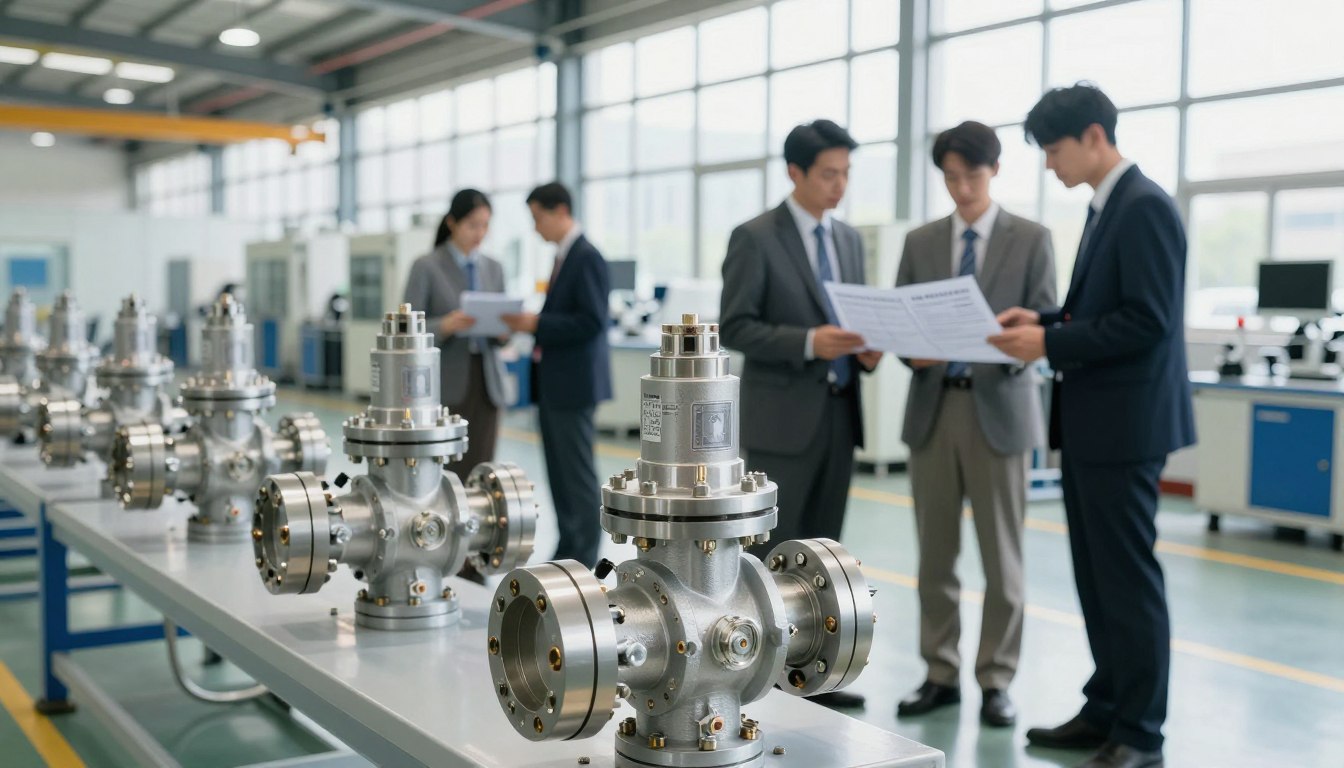
A modern manufacturing facility showcasing engineered pressure holding valves, positioned prominently in the foreground. The valves exhibit meticulous design details, such as precise fittings and rigorous compliance markings, highlighting quality assurance. In the middle ground, a team of engineers, dressed in professional business attire, examine compliance documentation and blueprints, demonstrating a collaborative environment. The background features industrial machinery and equipment, bathed in bright, natural lighting, creating a clean and efficient atmosphere. A wide-angle view captures the expansive workspace, emphasizing technology and industry standards. The overall mood conveys professionalism, diligence, and adherence to safety regulations, underscoring the importance of compliance in manufacturing processes.
Compliance Aspect | Description | Importance Level |
Regulatory Compliance | Adherence to ASME, API, and industry-specific regulations | High |
Safety Certifications | Third-party testing and material traceability | High |
Environmental Compliance | Adherence to environmental regulations and export laws | Medium |
5. Quality Assurance and Testing Expectations
When buying pressure holding valves, it's key to set clear quality standards. This ensures the valves meet and go beyond our expectations, offering reliable pressure management solutions. Quality checks involve several important steps.
Factory Acceptance Testing Requirements
Factory acceptance testing is vital to confirm the valves meet the set standards. This includes:
- Hydrostatic pressure testing to check if the valve can handle pressure.
- Functional performance testing to make sure the valve works right under different conditions.
Hydrostatic Pressure Testing
Hydrostatic pressure testing puts the valve through a pressure test. It checks if the valve can handle the set pressure without leaks or failures. This test is key for checking the valve's strength.
Functional Performance Testing
Functional performance testing checks how the valve works under real conditions. It makes sure the valve opens, closes, and works smoothly, meeting the needed standards.
Inspection and Verification Procedures
Inspection and verification steps are crucial to make sure the valves are made right. These steps might include:
- Visual checks to spot any defects or oddities.
- Dimensional checks to confirm the valve fits the right size.
Documentation and Test Reports
Having detailed documentation and test reports is important to show the valve's quality and performance. The needed documents are:
Material Test Reports
Material test reports give info on the materials used in the valve. They cover the materials' chemical makeup and strength.
Performance Certification
Performance certification shows the valve has passed tests and meets the set performance standards. This is a big part of our quality check process.
By setting clear quality and testing standards, we can make sure the pressure holding valves we get offer reliable pressure management solutions. They meet our needs and safety standards.
6. Pricing Structure and Commercial Terms
When looking for a top-rated pressure control equipment provider, it's key to know their pricing and terms.
Detailed Cost Breakdown
A detailed cost breakdown is vital for planning your budget. It helps you understand all the parts that make up the total cost.
Unit Pricing and Volume Tiers
Unit pricing changes with the order size. Manufacturers have volume tiers that lower the cost per unit as you order more. It's important to know these tiers and how they affect your total cost.
Tooling and Engineering Costs
Costs like tooling and engineering can add up. Knowing these costs early helps avoid surprises later.
Payment Terms and Conditions
Clear payment terms and conditions are crucial for a smooth deal. This includes knowing the payment schedule, accepted methods, and any late payment penalties.
Minimum Order Quantities
Manufacturers have minimum order quantities (MOQs) you must meet. Knowing these MOQs is key for planning and budgeting.
Warranty Coverage and Duration
The warranty from the manufacturer gives you peace of mind against defects and performance issues. It's important to understand the warranty coverage and how long it lasts to see the long-term value of your purchase.
- Detailed cost breakdown
- Unit pricing and volume tiers
- Tooling and engineering costs
- Payment terms and conditions
- Minimum order quantities
- Warranty coverage and duration
7. Delivery Schedules and Logistics Coordination
When you work with a pressure holding valve manufacturer, knowing their delivery plans is key. It's important for the project's success. The manufacturer must meet deadlines and manage the supply chain well.
Production Lead Times
Understanding production lead times is crucial for planning. It shows how long it takes for the manufacturer to make the valves.
Standard Products vs. Custom Designs
Standard products have shorter lead times because they're pre-made and often in stock. For example, a standard valve might take 4-6 weeks. On the other hand, custom designs need more time for engineering and testing. This can extend lead times to 12-16 weeks or more.
Rush Order Capabilities
Some makers offer rush order services for urgent needs. This can cut lead times by 50% or more, but costs extra. Always ask about rush order options and prices when talking to the manufacturer.
Shipping and Transportation Details
After production, shipping details are crucial. Knowing how the valves will be packed, shipped, and delivered is important for planning.
Packaging Standards and Protection
Good packaging is key to avoid damage during shipping. Reliable manufacturers use strong packaging to protect the valves. They might use special crates or boxes designed for shipping.
The delivery method and freight terms agreed upon affect costs and delivery time. Options include FOB (Free On Board) shipping point or DDP (Delivered Duty Paid), where the seller covers all costs until delivery.
Inventory and Stocking Programs
Knowing a manufacturer's inventory and stocking programs helps in planning your supply chain. Some keep stock of common items for quicker delivery.
By considering these points and working closely with your custom pressure relief valve maker, you can plan your project better. This ensures your valves are delivered on time and in good shape.
8. Conclusion
Creating a detailed RFQ for a pressure holding valve is key to finding a trustworthy supplier. By following the steps in this article, you can meet your specific needs. This way, you'll partner with a supplier that offers reliable pressure management solutions.
A well-made RFQ lets you compare potential suppliers. You can look at their technical skills, quality checks, and business terms. This helps you choose the best pressure holding valve manufacturer.
For more details, check out resources like the CLA-VAL 50-01 Pressure Relief Valve documentation. It helps you prepare your RFQ and understand what a good supplier can do.
Choosing the right supplier means better pressure management in your systems. This boosts performance and safety.
FAQ
Why is a detailed checklist so important when we are preparing an RFQ for a pressure holding valve manufacturer?
A detailed checklist is key to a successful partnership. It clearly states our needs from the start. This ensures every manufacturer understands our project fully.
It helps avoid misunderstandings, gets accurate quotes, and finds reliable solutions. These solutions meet our safety and performance needs.
How do we determine which operating environment parameters are most critical for our application?
We analyze our application's temperature, pressure, and media type. As a leading producer, we focus on materials that resist corrosion well. This is crucial for the valve's safety and function in harsh environments.
What technical parameters should we prioritize when speaking with a precision pressure control valve supplier?
Focus on operating pressures, flow rates, and cracking pressures. These details ensure the valve fits our system's needs. We also check port sizes and mounting to fit our infrastructure perfectly.
What certifications and standards should we expect from a top-rated pressure control equipment provider?
Look for ASME and API standards. A top provider should have ISO Certifications and traceability. These show the products are tested and meet safety and environmental rules.
Can we request specialized designs from a custom pressure relief valve maker?
Yes! We often need unique solutions for industrial challenges. A custom maker can create bespoke valves. We check their capacity and quality to ensure they can produce without delay.
What kind of quality assurance and testing documentation will we receive?
Quality is our main focus. We expect detailed documentation from a manufacturer. This includes Material Test Reports and performance certifications. We also want Factory Acceptance Testing details to ensure quality before delivery.
How do we navigate pricing and commercial terms with a high-pressure relief valve manufacturer?
We seek transparent quotes. A reputable manufacturer should detail costs, including unit pricing and fees. We review warranties and payment terms for a fair agreement.
What should we know about delivery schedules and logistics when choosing a pressure control valve supplier?
Timing is crucial in project management. We work with suppliers to understand lead times. We discuss packaging and rush orders to plan our supply chain effectively.
Contact Us
We are committed to pursuing excellence in every endeavor and look forward to partnering with you for shared success.
Jinhua Hefa Science and Technology Co., Ltd.
Jinhua Hefa Science and Technology Co., Ltd.
Contact Person: Damon Wang
Tel: +86 17280953019
#1569,LinHu RD,JinXi Development Zone,JinHua,ZheJiang Province,PR.China.Post code:321075
About Us
About Us
Home
Home
Contact Us
Contact Us
Products
Products
News
News
Copyright ©️ 2025,Jinhua Hefa Science and Technology Co.,Ltd. All Rights Reserved.
Copyright ©️ 2025,Jinhua Hefa Science and Technology Co.,Ltd. All Rights Reserved.
Phone
Wechat