Jinhua Hefa Science and Technology Co., Ltd.
Jinhua Hefa Science and Technology Co., Ltd.
Vent Valve for Gas Tank: How to Compare Product Pages and Terms
Created on 03.16
Finding the right pressure relief component for your fuel system is more than a quick search. It's about keeping the fuel reservoir safe and efficient. This part controls the internal pressure to avoid damage or leaks.
It ensures proper airflow, keeping everything running smoothly for all on the road.
vent valve gas tank
Shopping online can be overwhelming with all the technical specs. We should focus on specific phrases and shipping policies. Comparing these details helps us find reliable hardware that lasts.
It's crucial to look at how different brands describe their materials and quality standards. This ensures we get the best value for our money.
Making an informed choice keeps our vehicles in top condition for years. We aim to simplify the process of evaluating different sellers and technical listings. By looking closely at the fine print, we can avoid common pitfalls and delays.
Our approach saves time and prevents future maintenance headaches. It keeps our fuel system healthy and functional.
Key Takeaways
- Understand how pressure regulation affects overall fuel safety.
- Examine product descriptions for high-quality material standards.
- Check warranty and return policies before completing a purchase.
- Compare prices across several verified American online retailers.
- Look for reviews mentioning long-term durability and fit.
- Verify compatibility with your specific vehicle model and year.
1. Understanding the Gas Tank Vent Valve Function
The gas tank vent valve is key to a vehicle's fuel system. It keeps the fuel tank pressure in check. This is vital for the vehicle to run safely and efficiently.
How Vent Valves Regulate Fuel Tank Pressure
Vent valves manage air flow into and out of the fuel tank. This controls the tank's pressure. When filling or using fuel, the valve opens. It lets air in or out to keep pressure safe.
The Role in Your Vehicle's EVAP System
The vent valve works with the EVAP system's canister and purge valve. It manages fuel vapors. This prevents harmful vapors from escaping into the air.
Different Valve Types and Their Applications
There are many vent valve types for different uses. Some common ones are:
- Mechanical vent valves
- Solenoid-operated vent valves
- Integrated vent valves with other EVAP system components
Knowing about these vent valves helps car owners make better choices for maintenance and replacement.
2. Essential Terminology You Need to Know
Knowing the terms related to gas tank vent valves is key. It helps you choose the right part for your car. We'll cover important terms and concepts. This will make you more confident when reading product descriptions and technical specs.
EVAP, Canister, and Purge Valve Terms
The EVAP (Evaporative Emission Control) system keeps fuel vapors from escaping. The canister stores these vapors until they're used by the engine. The purge valve manages the flow of vapors to the engine.
It's vital to understand how these parts work together. This knowledge helps in diagnosing problems and picking the right vent valve.
Understanding Pressure and Vacuum Specifications
Pressure and vacuum specs are crucial for gas tank vent valves. They show how the valve works under different conditions. The pressure relief capacity is how well the valve handles excess pressure in the tank. Knowing these specs ensures the valve works right.
What OEM, OE, and Aftermarket Really Mean
OEM (Original Equipment Manufacturer) parts are made by the car's maker. OE (Original Equipment) parts match OEM specs but might not be made by the car's maker. Aftermarket parts come from third-party makers and can vary in quality. Knowing these differences helps you choose better.
Decoding Fitment and Compatibility Language
When looking for a gas tank vent valve, you'll see terms like "fits," "compatible with," and "replaces." These indicate if a part fits your car. Always check the fitment information and compatibility notes to ensure you get the correct part.
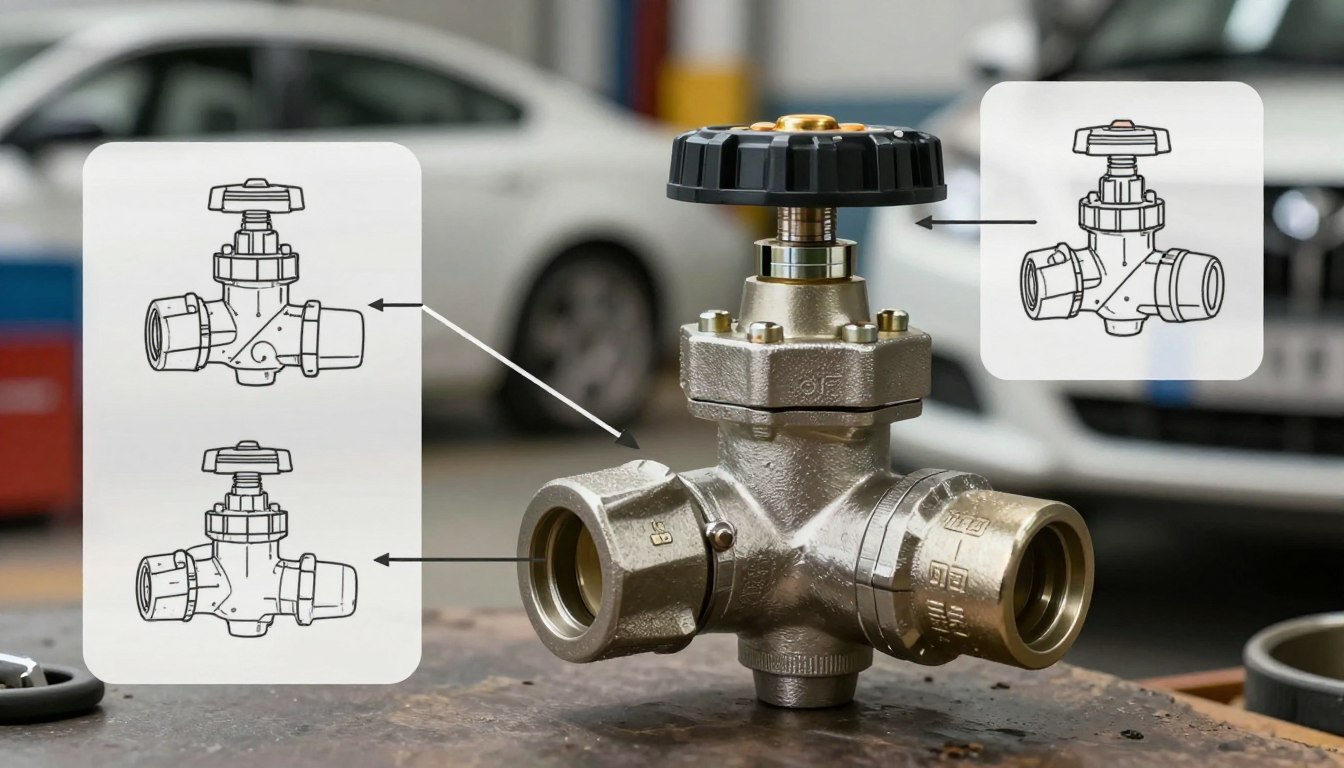
A detailed illustration of a gas tank vent valve, showcasing the essential terminology associated with it. In the foreground, display a close-up view of a vent valve, emphasizing its intricate components such as the valve body, cap, and seals. In the middle ground, include labeled diagrams highlighting key features and functions, using clean lines and arrows for clarity. The background should feature an automotive setting, subtly hinting at a garage or workshop with blurred tools and parts to create context. Soft, diffused lighting enhances the technical aspects, giving a professional feel, while a slightly elevated angle captures the valve's design effectively. Aim for a clear, informative, and educational atmosphere, inviting viewers to learn more about the vocabulary and mechanics involved.
3. How to Analyze Vent Valve Gas Tank Product Pages
To find the right gas tank vent valve replacement, it's key to know how to check product pages. Look for important factors when browsing different products. This will help you make a smart choice.
Breaking Down Product Specifications and Data Sheets
Product specs and data sheets are full of important info about the vent valve gas tank. Check for pressure relief capacity, operating temperature range, and material composition. These details help ensure the product fits your vehicle's needs.
Using Part Numbers to Verify Compatibility
Part numbers are crucial for checking if a vent valve gas tank fits your vehicle. Make sure the part number on the product page matches your vehicle's. You can find this info in your repair manual or on the manufacturer's website.
What Quality Product Photos Should Reveal
Good product photos show you what the product looks like and how it's made. Look for photos from different angles. These should include any connectors, mounting points, and internal parts.
Extracting Value from Customer Reviews and Ratings
Customer reviews and ratings offer insights into a vent valve gas tank's performance and reliability. Focus on comments about ease of installation, performance, and any problems. A product with high ratings and lots of positive feedback is usually a good pick.
Feature | What to Look For | Importance Level |
Product Specifications | Pressure relief capacity, operating temperature, material | High |
Part Numbers | Matching part number for your vehicle | High |
Product Photos | Multiple angles, clear images of connectors and components | Medium |
Customer Reviews | Positive feedback on performance and installation | Medium |
4. Critical Features to Compare Between Products
When looking at vent valves for your car's gas tank, you need to check a few important things. These features affect how well the valve works and how long it lasts. It's key to look at different factors that can really make a difference.
Construction Materials and Build Quality Indicators
The materials and build of a vent valve tell you a lot about its reliability and life span. High-quality materials like strong plastics or metals that resist corrosion are best. They help the valve handle the tough conditions it faces.
Choose a product that's built to last. It should be able to handle the demands of driving.
Pressure Relief Capacity and Operating Range
The pressure relief and operating range of a vent valve are crucial. They help keep the fuel tank pressure just right. A good valve prevents too much pressure, which could cause leaks or safety problems.
Make sure the valve's range fits your car's needs. This ensures it works properly.
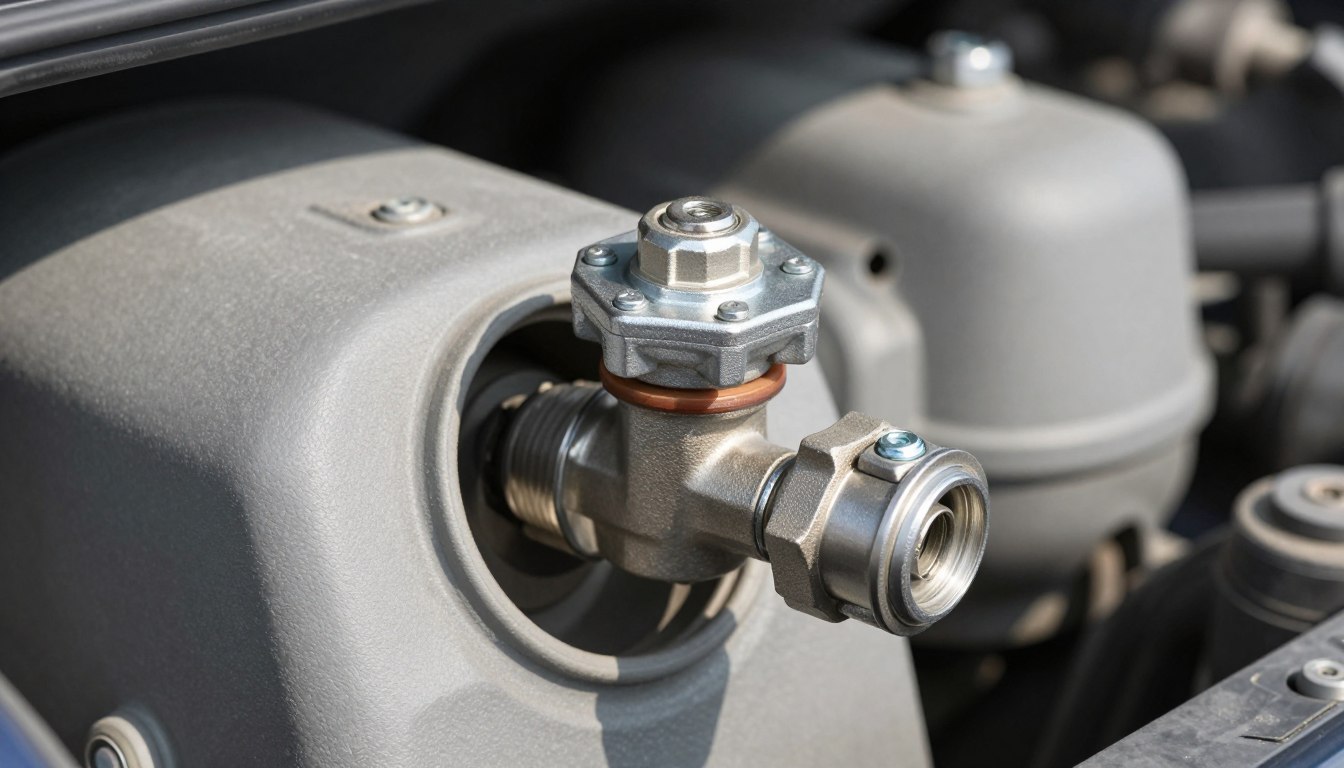
A close-up view of a gas tank vent valve location, featuring a detailed and realistic representation. In the foreground, focus on the vent valve itself, showcasing its intricate components such as the valve stem, gasket, and fasteners. The middle section highlights the gas tank with its surface textures and mounting points, emphasizing clarity and precision. The background should subtly include a car chassis, providing context without overwhelming the main subject. The lighting is bright and natural, simulating outdoor sunlight, casting gentle shadows that enhance the three-dimensionality of the surfaces. Capture the image from a slightly elevated angle to provide a comprehensive view of the vent valve's placement, creating an informative and technical atmosphere.
Connector Types and Mounting Configurations
The connectors and how you mount a vent valve are important for easy setup. Different cars need different connector types and mounting configurations. Check that the valve you pick fits your car's setup to avoid extra work.
Warranty Coverage and Brand Reputation
Warranty and brand reputation are big factors when choosing a vent valve. A good warranty gives you peace of mind and protects your investment. Look into the maker's history of making reliable products and keeping their promises.
A well-known brand is more likely to offer a reliable vent valve that meets your needs.
5. Identifying Gas Tank Vent Valve Symptoms and Problems
Spotting the signs of a failing gas tank vent valve is key. It helps you fix issues before they get worse. A bad vent valve can mess with your car's performance and fuel system.
Common Warning Signs of Valve Failure
A failing gas tank vent valve shows certain symptoms. These include:
- Fuel tank deformation or collapse
- Fuel leakage or smell
- Check Engine Light illumination
- Difficulty refueling
These signs mean the vent valve isn't working right. This leads to pressure problems in the fuel tank.
Performance and Fuel System Issues
A bad vent valve can lead to performance problems. These include:
- Poor engine performance
- Decreased fuel efficiency
- Stalling or rough idling
These issues happen because the vent valve is key to keeping the fuel system's pressure right.
Diagnostic Trouble Codes to Look For
Modern cars store diagnostic trouble codes (DTCs) when they find a problem. For vent valve issues, look for codes about the EVAP system, like:
DTC Code | Description |
P0440 | Evaporative Emission Control System Malfunction |
P0442 | Evaporative Emission Control System Leak Detected (small leak) |
P0455 | Evaporative Emission Control System Leak Detected (large leak) |
These codes suggest a problem with the vent valve or other EVAP system parts.
6. Evaluating Gas Tank Vent Valve Location and Replacement Needs
Checking the location and if you need to replace your gas tank vent valve is key. This part is vital for your vehicle's fuel system to work right. Knowing where it is and how to replace it helps you solve problems faster.
Finding the Vent Valve on Your Specific Vehicle
To find the vent valve, look in your vehicle's repair manual or the manufacturer's guide. It's usually near the fuel tank or in the EVAP system's pipes. It's often found near the charcoal canister or along the fuel tank's vent line. If you can't find it, try searching online for diagrams or videos for your car's make and model.
Assessing Installation Complexity and Access
After finding the vent valve, think about how hard it is to install. Look at how easy it is to get to, the tools you need, and if you have to remove other parts to get to it. Some cars have setups that are harder to work with and need special tools or more time.
When to Consider Professional vs. DIY Replacement
If you're good at DIY car repairs and know your way around your vehicle's fuel system, you might try replacing the vent valve yourself. But if you're not sure or don't have experience, it's best to get professional help to avoid problems or damage to your car's fuel system. Here are some things to think about:
- How comfortable you are with DIY car repairs
- The complexity of the replacement for your car
- The risks of doing it wrong
7. Comparing Prices and Making Your Purchase Decision
When buying a gas tank vent valve, it's key to compare prices. You should look at more than just the cost. Consider several factors to get the best deal.
Where to Find the Best Deals on Vent Valves
You can find gas tank vent valves online or in auto parts stores. Online marketplaces like Amazon or eBay often have good prices and a wide range. But, make sure to check the seller's reputation and read reviews before buying.
Balancing Cost Against Quality and Longevity
It's tempting to choose the cheapest option. But, quality and longevity are more important. A cheap vent valve might save money at first but could cost more later. Look for products with good reviews and a well-known brand.
Evaluating Seller Reputation and Return Policies
Before buying, check the seller's return and refund policies. A fair return policy shows the seller trusts their product. Also, look at the manufacturer's warranty. It shows the product's quality.
By comparing prices, checking the vent valve's quality, and looking at the seller's reputation, you can make a smart choice. This choice will meet your needs and budget.
8. Conclusion
Knowing how the vent valve works in your gas tank is key to keeping your car running right. The vent valve helps control the pressure in the tank. It's also a big part of the EVAP system.
When you're picking out a vent valve, look at the product details carefully. Check the materials, how well it handles pressure, and what kind of connectors it has. Knowing where the vent valve is on your car makes replacing it easier.
With what we've covered, you're ready to pick the right vent valve for your car. Use this info to find a top-notch vent valve that fits your car's needs.
FAQ
What is the primary vent valve gas tank function in our vehicles?
The vent valve gas tank function is to let fresh air into the EVAP system. This happens when the computer is getting rid of fuel vapors from the charcoal canister. It keeps the fuel system at the right pressure, preventing the tank from deforming and stopping harmful vapors from escaping.
What are the most common gas tank vent valve symptoms we should watch out for?
Look out for a few signs when a valve starts to fail. A common one is a "Check Engine" light coming on. You might also find it hard to fill up at the gas station or smell gasoline near the back of your car.
Where is the typical gas tank vent valve location on most cars and trucks?
The location of the gas tank vent valve varies by model. But, it's often found near the charcoal canister. On models like the Chevrolet Silverado or Ford F-150, it's usually under the car, attached to the frame or above the spare tire.
When should we consider a full gas tank vent valve replacement?
Replace the valve as soon as you confirm it's failed. This can be through a diagnostic smoke test or specific trouble codes. Brands like Dorman, ACDelco, and Standard Motor Products offer quality replacements that might even be better than the original.
How does the vent valve in car gas tank systems contribute to emissions safety?
The vent valve is key to keeping our cars safe for the environment. It opens to let the system breathe but closes during leak tests. This traps hydrocarbons and burns them off safely, keeping our cars compliant with environmental standards.
What makes a high-quality gas tank ventilation valve different from a cheap alternative?
High-quality valves, like those from Bosch or Delphi, have better seals and materials. They resist corrosion from road salt and moisture. Cheap versions often fail early because their solenoids can't handle the constant cycling needed by the engine control module.
Why is it important to use a specific vent valve for gas tank applications rather than a universal part?
Using a specific vent valve is crucial because of the unique electrical connectors and mounting brackets. OEM parts or OE-equivalent components ensure a smooth installation. This avoids the need for messy wiring or custom brackets.
Can we replace the gas tank vent valve ourselves, or should we go to a mechanic?
Replacing the valve yourself is doable if you have basic tools and can safely lift your vehicle. It's usually a quick job. But, if the valve is inside the tank, it's safer to get a professional from Firestone Complete Auto Care or NAPA AutoCare Center.
Contact Us
We are committed to pursuing excellence in every endeavor and look forward to partnering with you for shared success.
Jinhua Hefa Science and Technology Co., Ltd.
Jinhua Hefa Science and Technology Co., Ltd.
Contact Person: Damon Wang
Tel: +86 17280953019
#1569,LinHu RD,JinXi Development Zone,JinHua,ZheJiang Province,PR.China.Post code:321075
About Us
About Us
Home
Home
Contact Us
Contact Us
Products
Products
News
News
Copyright ©️ 2025,Jinhua Hefa Science and Technology Co.,Ltd. All Rights Reserved.
Copyright ©️ 2025,Jinhua Hefa Science and Technology Co.,Ltd. All Rights Reserved.
Phone
Wechat