Jinhua Hefa Science and Technology Co., Ltd.
Jinhua Hefa Science and Technology Co., Ltd.
Choose an EVAP Canister Vent Solenoid Supplier With This QC List
Created on 03.16
Finding a reliable source for auto parts can feel overwhelming. You want quality parts for your vehicle systems. Quality is the key to a successful repair shop.
It's crucial that every part meets high standards. This stops leaks and keeps emissions low. We aim to guide you to the industry's best partners.
evap canister vent solenoid
Our team is here to help you vet suppliers. A solid quality list protects your brand and keeps customers happy. We set high standards for every part you stock.
Understanding the evap canister vent solenoid function helps you ask the right questions. Choosing a good partner takes a sharp eye and high standards. Use our checklist to ensure your supplier meets every critical requirement.
Key Takeaways
- Prioritize suppliers that use rigorous testing protocols for all parts.
- Ensure components meet exact OEM specifications for a perfect fit.
- Check for durable housing materials that resist heat and wear.
- Verify consistent performance across a wide range of temperatures.
- Evaluate the supplier's reputation for on-time shipping and support.
- Confirm full compliance with local and national environmental laws.
Understanding the EVAP Canister Vent Solenoid and Its Critical Role
To find a good EVAP canister vent solenoid supplier, you need to know its role. This part is key in a car's EVAP system. It helps manage fuel vapor flow and keeps emissions low.
What Is an EVAP Canister Vent Solenoid and How It Works
The EVAP canister vent solenoid is a special valve. It controls air flow into the EVAP canister. Its main job is to keep the EVAP system's pressure right, trapping fuel vapors from the tank. When the engine is on, it opens or closes to let air in or out.
This valve works with the car's OBD system. The OBD checks the EVAP system and alerts you if there's a problem.
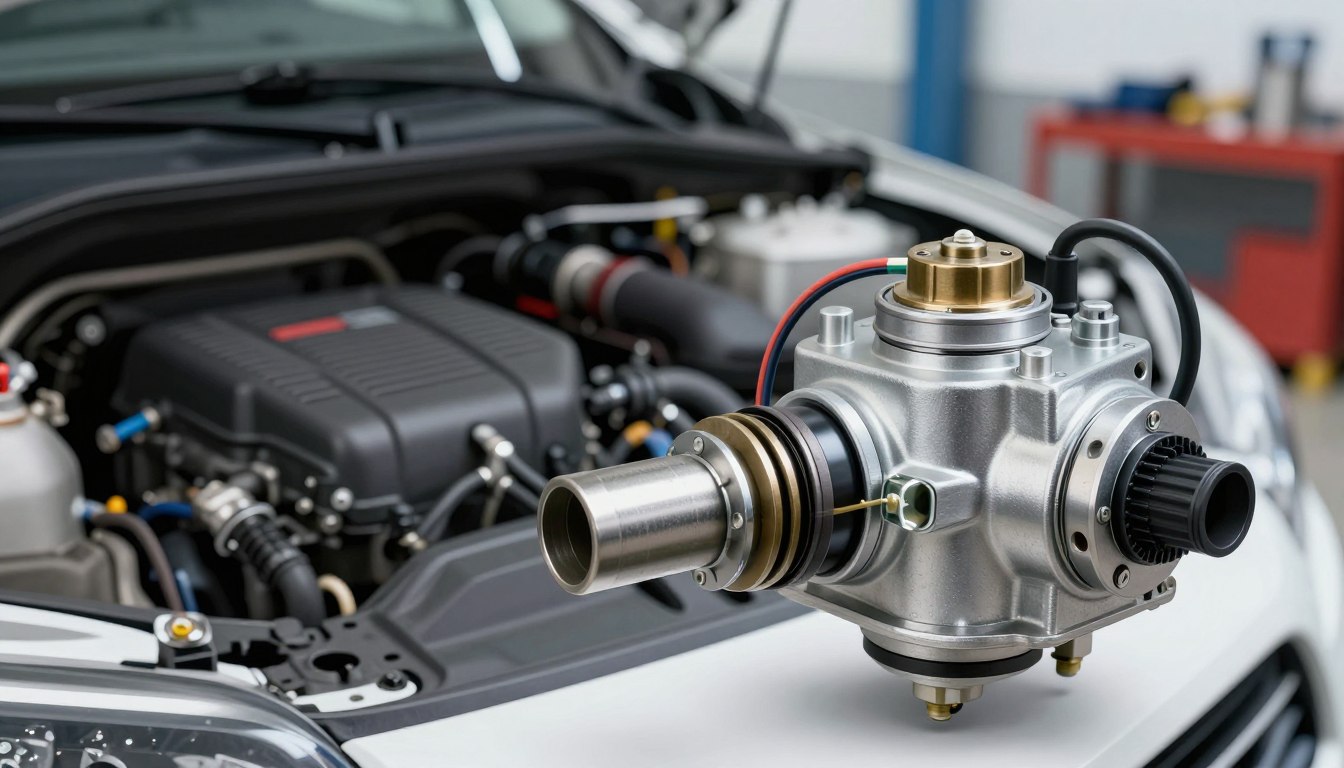
A detailed illustration of an EVAP canister vent solenoid in operation, prominently displayed in the foreground, showing its intricate components, including the solenoid valve, wiring, and surrounding plumbing. In the middle ground, depict a partial view of a vehicle engine compartment, highlighting the solenoid's connection to the EVAP system, with clear emphasis on the airflow path and location. The background should include a softly blurred garage setting with tools and equipment to hint at a mechanical workspace. The lighting is bright and clinical, creating a technical atmosphere, with a focus on the solenoid’s metallic finish and precise engineering details. The image should convey clarity, professionalism, and technical insight into the solenoid’s vital function.
EVAP Canister Vent Solenoid Function in Modern Vehicles
In today's cars, this solenoid is very important. It makes sure fuel vapors don't escape into the air, helping the environment. It also helps the engine run right, saving fuel and cutting emissions.
- Regulates pressure within the EVAP system
- Captures and stores fuel vapors from the fuel tank
- Works in conjunction with the EVAP purge solenoid to manage fuel vapor flow
The Relationship Between EVAP Purge Solenoid and Vent Control Components
The EVAP purge solenoid and vent control parts work together. The EVAP purge solenoid sends fuel vapors to the engine, while the vent control solenoid lets air into the canister. This teamwork makes the EVAP system work well.
Knowing how these parts work together is key. It helps you choose a supplier that offers quality parts that fit together perfectly.
Why Quality Control Matters When Sourcing EVAP System Vent Control Valves
Quality control is key when picking EVAP system vent control valves. It affects a vehicle's emissions and how well it works. Manufacturers and car experts must choose quality parts to avoid problems.
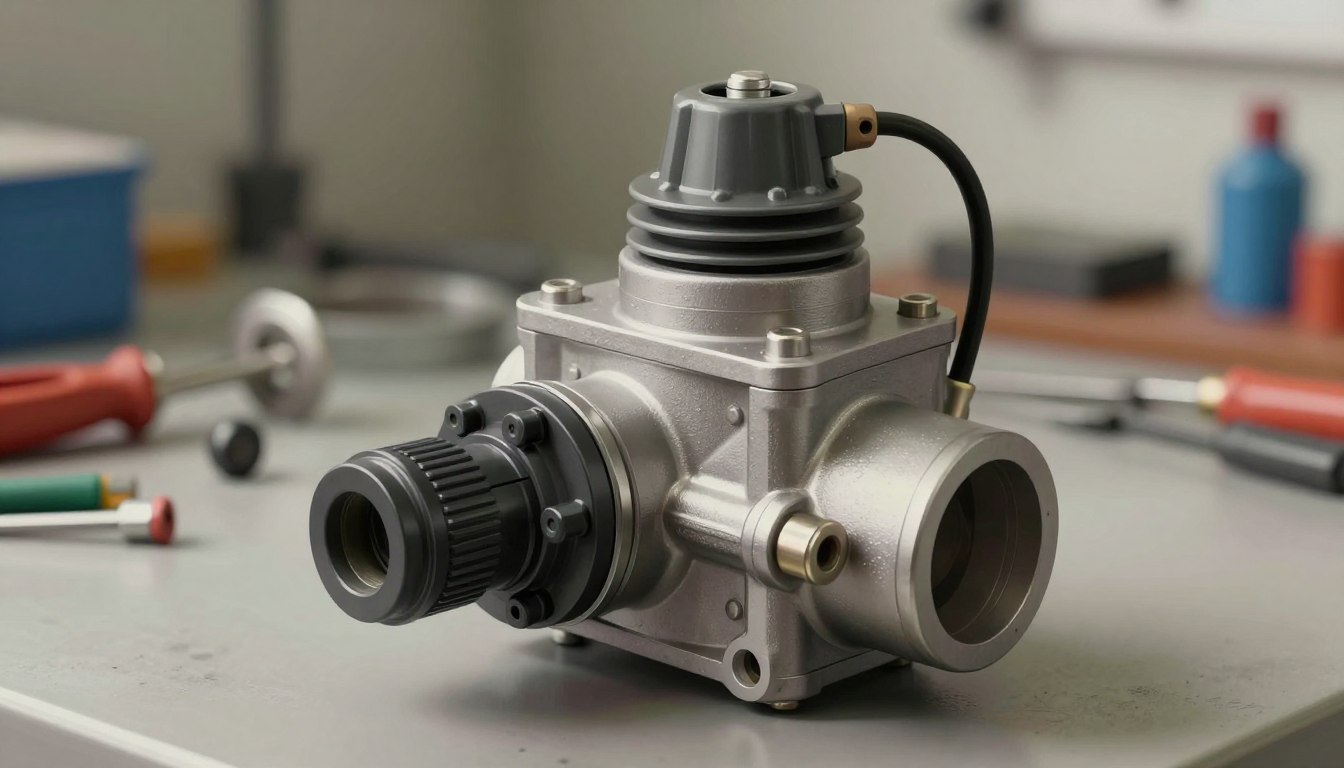
A detailed illustration of an EVAP system vent control valve, positioned prominently in the foreground. The valve should be depicted with intricate mechanical details, showcasing its various components like the solenoid, electrical connectors, and mounting brackets. In the middle ground, a subtle background of a workshop setting, with tools and equipment neatly arranged, helps establish context. Soft, diffuse lighting highlights the valve, casting gentle shadows that enhance its textures. The atmosphere conveys professionalism and precision, emphasizing quality and reliability. The angle should capture the valve from a slightly elevated perspective, allowing viewers to appreciate its design while maintaining focus on the valve itself.
The Cost of Component Failure in EVAP Systems
EVAP system failures can cost a lot. A broken EVAP vent control solenoid can make the system fail. This leads to more emissions and might break rules.
Replacing a evap solenoid is expensive. It costs a lot for the part and the work to put it in. Also, EVAP failures can hurt fuel efficiency and damage other engine parts.
Emissions Compliance and Regulatory Requirements
Keeping emissions low is very important. The EVAP system, with its vent control valve, helps control emissions. A bad evap vent control solenoid can cause more emissions. This can lead to fines and penalties.
To stay out of trouble, it's crucial to get EVAP parts from reliable suppliers. They must follow strict quality and safety rules. This ensures parts meet emissions standards.
Impact on Brand Reputation and Customer Loyalty
The quality of EVAP parts affects a brand's image and customer trust. Cars with bad parts can have problems. This makes customers unhappy and can harm the brand's reputation.
Choosing quality parts helps keep cars running well. This keeps customers happy and loyal to the brand.
Long-Term Financial Implications of Poor Quality Parts
Using cheap EVAP parts might save money at first. But, it can cost a lot in the long run. You might have to fix or replace parts often, which adds up.
On the other hand, investing in good evap system vent control valves saves money. It also keeps the car running smoothly and efficiently.
Essential Manufacturing and Certification Standards for Your EVAP Canister Vent Solenoid Supplier
When looking for EVAP canister vent solenoids, it's important to check the supplier's standards. You need to make sure they follow industry-recognized certifications and quality protocols.
Required Industry Certifications and Accreditations
A good EVAP canister vent solenoid supplier should have certain certifications. These show they are committed to quality and reliability. Look for these certifications:
- ISO 9001 Quality Management Systems: This shows the supplier follows international quality standards.
- IATF 16949 Automotive Industry Standards: This is for the automotive industry. It proves the supplier can make high-quality products.
- Environmental and Safety Certifications: ISO 14001 and ISO 45001 show the supplier cares about the environment and workplace safety.
Learn more about these certifications by checking out our detailed insights on EVAP canister vent solenoid valves.
Quality Assurance Testing Protocols We Recommend
Suppliers should test EVAP canister vent solenoids thoroughly. Here are some tests they should do:
- Pressure Differential and Leak Testing: This checks if the solenoid seals well under different pressures.
- Electrical Resistance and Coil Performance Testing: This ensures the solenoid coil works as it should.
- Temperature Cycling and Environmental Stress Testing: This tests how the solenoid handles extreme temperatures and stress.
- Durability and Lifecycle Validation: This checks how long the solenoid lasts under real conditions.
Material Quality and Component Specifications to Verify
The materials used in EVAP canister vent solenoids are key to their performance. Suppliers should use high-quality materials and follow strict specifications. Here's what to check:
- Solenoid Coil Construction Standards: The coil should be made from top-notch materials and meet performance standards.
- Valve Body Materials and Corrosion Resistance: The valve body should resist corrosion well and last long.
- Seal and Gasket Quality Requirements: Seals and gaskets must seal well and prevent leaks under various conditions.
By checking these material and component standards, you can be sure your supplier offers high-quality products. These products will meet your performance and reliability needs.
Supplier Performance Metrics and Operational Excellence Indicators
When picking an EVAP Canister Vent Solenoid supplier, it's key to check their performance and quality. This makes sure they can meet your quality and delivery needs.
Production Capacity and Scalability Assessment
A supplier's ability to produce and grow is very important. You should look at their manufacturing setup and how flexible they are. This helps ensure they can handle your needs now and in the future.
Key considerations include:
- Manufacturing capacity utilization rates
- Flexibility in production scheduling
- Ability to scale up or down in response to demand changes
Defect Rate Tracking and PPM Standards
Tracking defects is crucial for quality. Suppliers should follow strict quality rules, like Parts Per Million (PPM) standards.
Best practices involve:
- Regular quality audits
- Implementation of corrective actions for defects
- Continuous monitoring of PPM rates
Lead Time Consistency and On-Time Delivery Performance
Keeping to a consistent lead time and delivering on time is key. Look at their logistics and supply chain to see if they can meet your delivery needs.
Important metrics to track:
- Average lead time
- On-time delivery rate
- Supply chain visibility and communication
Traceability Systems and Batch Documentation
A good traceability system is essential. It helps track where components come from. This is very important for EVAP Canister Vent Solenoid components.
Technical Support for EVAP Vent Solenoid Location and Installation
Good technical support is important. They should help with evap vent solenoid location and installation. This ensures it works right in your systems.
Continuous Improvement Programs and Corrective Action Processes
A reliable supplier always looks to improve. Look for signs of ongoing quality improvement and effective ways to fix problems.
Indicators of a strong continuous improvement program include:
- Regular training and development for staff
- Implementation of customer feedback
- Proactive identification and mitigation of potential issues
Conclusion
Finding a trustworthy EVAP canister vent solenoid supplier is key for your car's EVAP system to work well. We've covered what to look for, from knowing how the evap canister vent solenoid function works to checking a supplier's performance.
Look at a supplier's quality checks, manufacturing rules, and how well they run their business. This helps you pick a reliable partner for evap vent control solenoid and evap purge solenoid parts.
Doing a detailed check helps avoid part failures, keeps emissions in check, and protects your brand's image. With the right supplier, you save money in the long run and make customers happier.
FAQ
What exactly is the evap canister vent solenoid function in a modern vehicle?
The evap canister vent solenoid is key for protecting our environment. It controls the flow of fresh air into the charcoal canister. This helps pressurize the system for leak tests and cleans fuel vapors stored in the charcoal.
When it opens, it lets in the air needed for the evap purge solenoid to draw vapors into the engine. This way, the vapors are burned off.
How does the evap canister vent solenoid differ from the evap purge solenoid?
The main difference is their location and job. The evap vent control solenoid is near the fuel tank or charcoal canister. It lets in fresh air.
The evap purge solenoid is in the engine bay. It stays closed until the engine is warm and running. Both must work together to keep the evap system working right.
Why is the evap vent solenoid purpose so important for emissions compliance?
Its main job is to stop raw fuel vapors from getting into the air. If it fails during a test, the car's computer will see a leak and light up the "Check Engine" light.
To meet EPA and CARB rules, these solenoids must be made to exact standards. This avoids expensive emissions failures and protects our environment.
Where can we typically find the evap vent solenoid location on most cars and trucks?
Its location varies by car maker. But, it's often under the vehicle, near the rear axle or on the fuel vapor canister. Brands like Chevrolet, Ford, and Toyota put these parts in areas that get wet and dirty.
So, we look for parts that resist corrosion well and are made of high-quality materials. This helps them last longer and handle road debris and moisture.
What should we look for when considering an evap solenoid replacement for our fleet or inventory?
When replacing evap solenoids, we look for parts that meet or beat OEM standards. It's crucial to check the solenoid coil's construction and the quality of the seals. We recommend choosing a supplier that follows IATF 16949 standards.
This ensures the valves fit perfectly and last long, reducing the need for repeat repairs.
What are the risks of using a low-quality evap canister vent valve?
Bad parts can cause a lot of trouble. Low-quality valves might leak or have electrical issues. This can mess up communication with the car's computer.
Using top-notch parts helps our reputation and saves money in the long run by avoiding frequent warranty claims.
What quality assurance testing protocols do we recommend for these components?
We recommend thorough testing. This includes checking for leaks and testing in different temperatures. The solenoid must work well in cold and hot weather.
It's also important to test how durable the valve is. We want it to open and close many times without breaking down.
Contact Us
We are committed to pursuing excellence in every endeavor and look forward to partnering with you for shared success.
Jinhua Hefa Science and Technology Co., Ltd.
Jinhua Hefa Science and Technology Co., Ltd.
Contact Person: Damon Wang
Tel: +86 17280953019
#1569,LinHu RD,JinXi Development Zone,JinHua,ZheJiang Province,PR.China.Post code:321075
About Us
About Us
Home
Home
Contact Us
Contact Us
Products
Products
News
News
Copyright ©️ 2025,Jinhua Hefa Science and Technology Co.,Ltd. All Rights Reserved.
Copyright ©️ 2025,Jinhua Hefa Science and Technology Co.,Ltd. All Rights Reserved.
Phone
Wechat